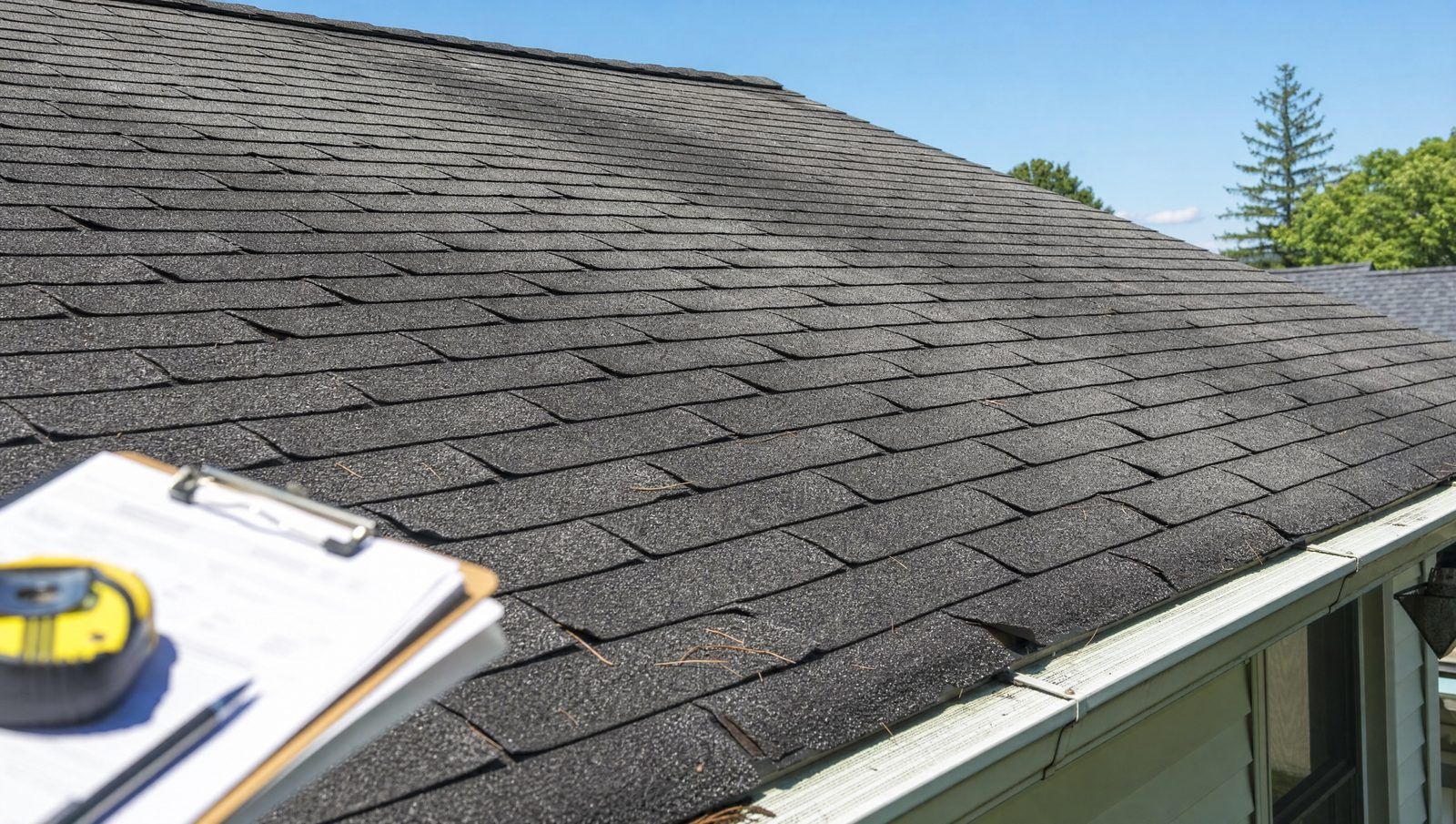
Roof Leak or Plumbing Leak? How Boynton Beach Homeowners Can Tell the Difference
Where the water is really coming from — and which pro to call first
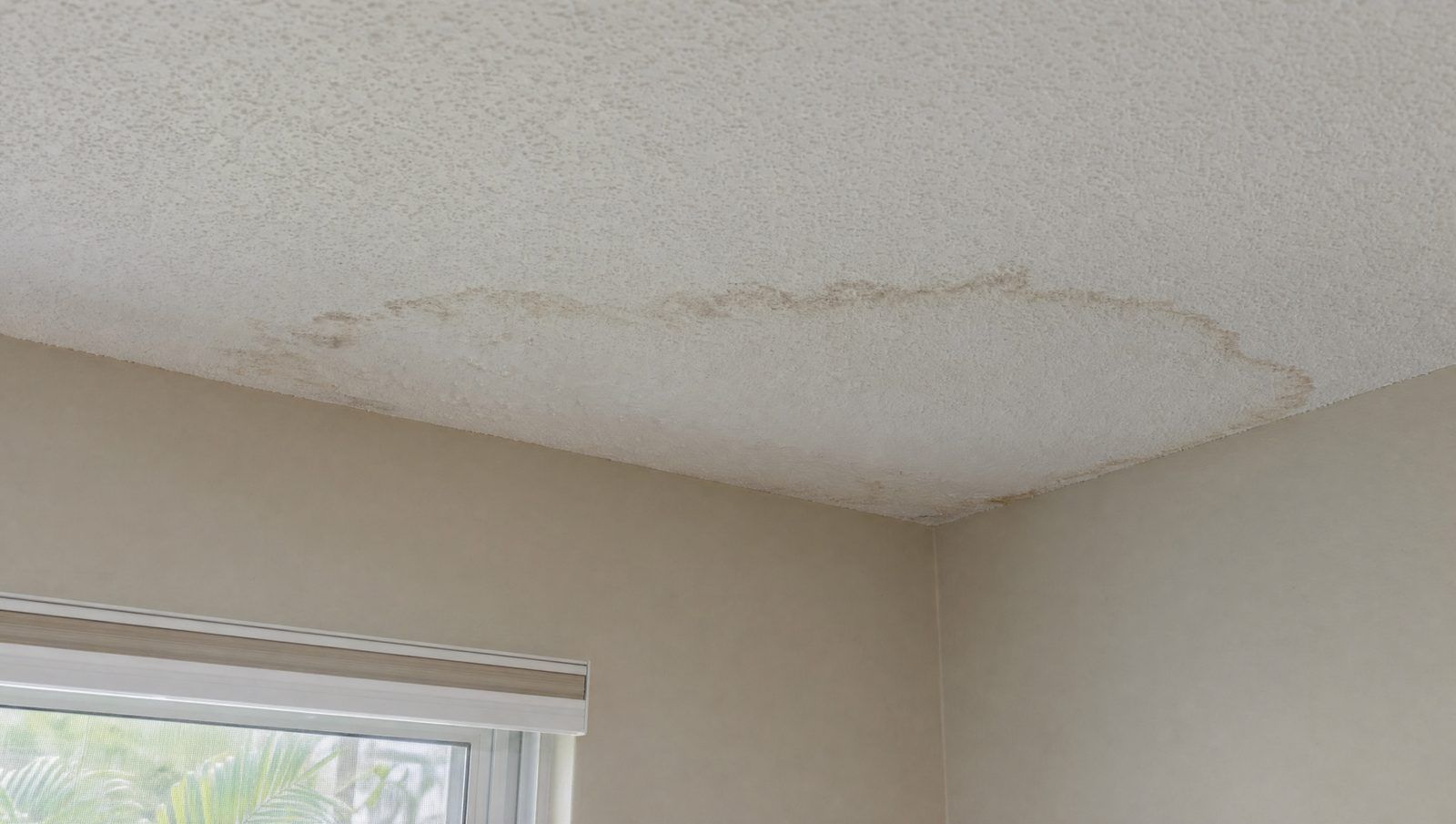
You notice it on a quiet evening: a tan ring on the ceiling that wasn't there last month. In Boynton Beach, most homeowners immediately blame the roof, and after a summer of afternoon storms that's a fair guess. But about half the ceiling stains we get called about have nothing to do with shingles or tile at all.
Before you book a roofer or a plumber, it helps to know which one you actually need. Here's how we sort it out, and how you can get most of the way there yourself.
Why Ceiling Stains Fool So Many Homeowners
Water almost never drips straight down from where it enters. It travels along rafters, truss chords, and the top of the drywall until it finds a low spot, then soaks through. That means the stain in your hallway can start at a roof penetration fifteen feet away, or at a pipe fitting directly above it.
The result is a lot of wrong first calls. Roofers get sent to plumbing leaks, plumbers get sent to flashing failures, and the homeowner pays for two service visits instead of one.
Clues That Point to the Roof
Timing is your best evidence. If the stain darkens or grows during or right after rain, and stays dry during a week of clear skies, the roof is the prime suspect. Stains that show up near exterior walls, around the chimney line, or below valleys and vents also lean roof.
Look at the color, too. Roof water has usually passed through underlayment, decking, and insulation, so it tends to leave brown, ringed stains with defined edges. A fresh roof leak after a storm often comes with a musty attic smell a day or two later.
Clues That Point to the Plumbing
A stain that grows steadily regardless of weather is almost always a supply or drain line. Supply leaks are slow and constant, so the ceiling stays damp to the touch even in dry weather. If the stain sits below a bathroom, kitchen, or the AC air handler, think pipes and pans before shingles.
This mix-up happens in every market, not just in storm country. Bedrock Plumbing & Drain Cleaning, a plumbing and drain company in St. Louis Park, Minnesota, fields the same calls: homeowners convinced they have a roof leak who actually have a sweating pipe or a failed wax ring one floor up. The physics of traveling water don't care what state you live in.
One more plumbing tell: hot water leaks sometimes leave a slightly warm patch on the ceiling. If the stain is warm, you can stop suspecting the roof entirely.
The Attic Check That Settles It
If you can get into the attic safely, bring a flashlight and go up a few hours after heavy rain. Follow the stain's position from below and look uphill along the rafters for water tracks, rusty nail tips, or matted insulation. Roof leaks leave a trail that points back to a penetration or a flashing joint.
No rain lately? Run water in the bathroom above the stain for ten minutes — tub, toilet, and sink one at a time. If the ceiling reacts, you've found your culprit and even narrowed down the fixture.
What to Do Before Anyone Opens the Ceiling
Take dated photos of the stain so you can tell whether it's growing. Mark the edges lightly with a pencil. That record settles arguments with insurance adjusters later, whichever trade ends up doing the repair.
Then call the right pro for the evidence you've gathered. If it points to the roof, get the leak traced and sealed before the next storm band rolls through Boynton Beach — small flashing repairs are cheap compared to replacing saturated decking. And if it points to the pipes, shut off the supply to that fixture and keep the ceiling intact until the plumber arrives. Either way, the stain is the symptom. Fix the source first, repaint last.