Sun, Storms, and Shade: How Your Roof and Window Treatments Work as a Team
Two heat gateways, one game plan for Florida homes

Florida sun is relentless, and most Boynton Beach homeowners fight it on two fronts without ever thinking of them as the same battle: the roof takes the hit from above, and the windows let it pour in from the side. Get both right and your house stays cooler, your AC runs less, and your interiors last years longer. Get only one right and you’ve solved half the problem.
Where the heat actually gets in
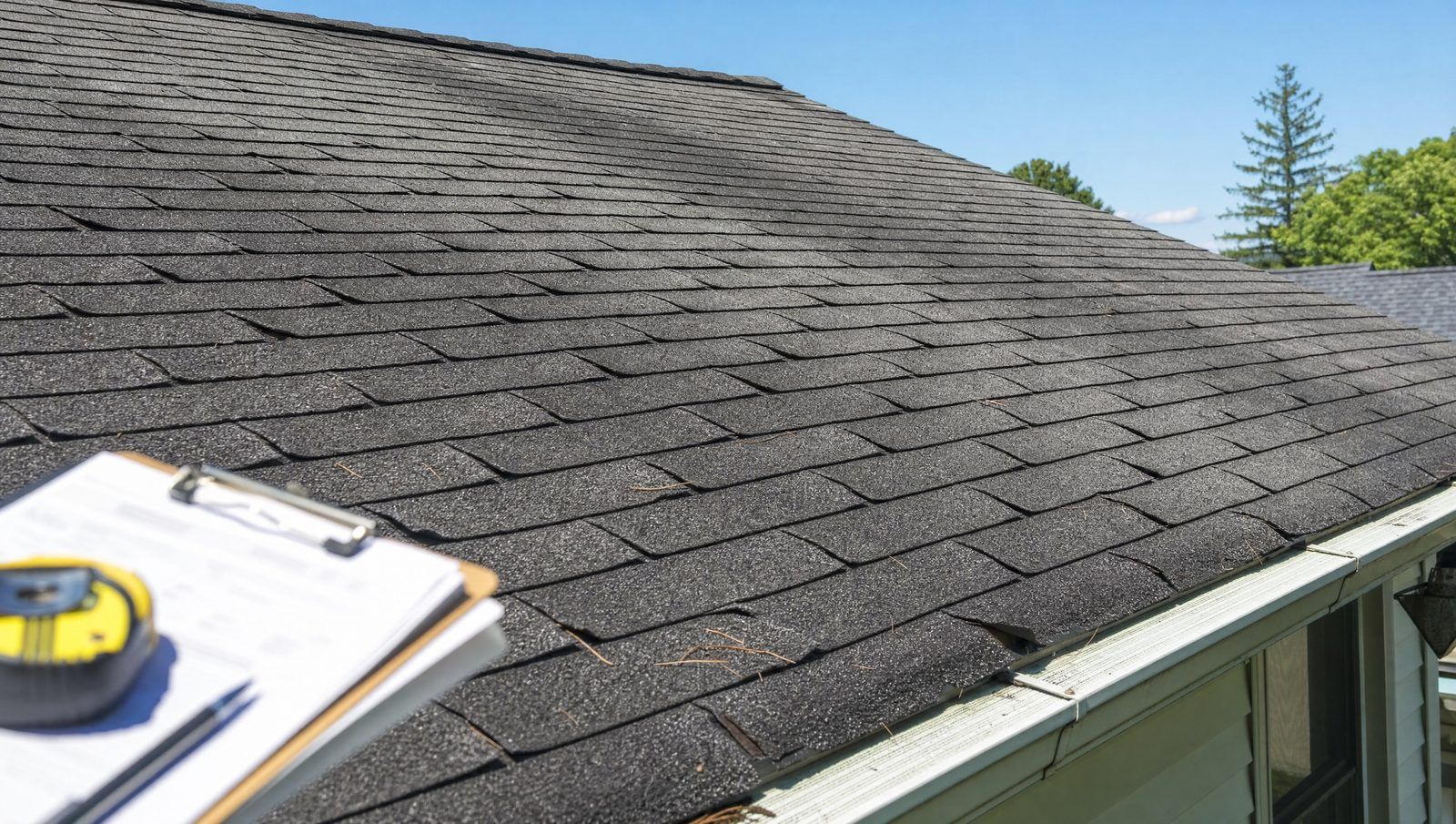
Your roof absorbs the majority of the solar load on your home — it’s why attic temperatures here routinely pass 130°F in summer, and why shingle color, ventilation, and radiant barriers matter so much in our market.
But windows are the second-biggest heat gateway, and unlike the roof, they leak heat all day at eye level, fading floors, furniture, and artwork while they’re at it.
The homes that feel effortlessly cool manage both
On the roof side: lighter or reflective roofing where the HOA allows it, ridge and soffit ventilation that actually moves air through the attic, and insulation that meets current code rather than the code from 1995.
On the window side: interior treatments that intercept light before it becomes heat — and this is where quality matters far more than people expect.
Why the treatment you choose matters
Cheap mini-blinds absorb sunlight and re-radiate it into the room; they’re a speed bump, not a barrier. Purpose-built treatments work differently.
Plantation shutters, the kind specialists in window blinds Tampa Bay homeowners rely on install throughout Florida’s coastal markets, are fitted to the opening and built with solid louvers that reflect and redirect light before it heats the interior — and they hold up to the humidity that warps lesser materials.
The difference shows up on the electric bill, and on the west-facing rooms that finally stay usable at 4 PM.
The storm angle
The roof is your structural defense, and it should be inspected before every season. Window treatments are your recovery layer — after a storm, when screens are down and landscaping is stripped, good shutters and blinds are what keep your interior private and shaded while everything outside gets put back together.
A seasonal rhythm for our climate
Each spring, have the roof inspected and clear the attic ventilation. Each summer, use window treatments actively — closed on sun-facing sides during the day is worth several degrees. And after any major storm, check both, because wind-driven rain finds weaknesses in each.
Your roof and your windows never touch, but they’re doing the same job. Equip them both like it.