What Roof Condition Tells You About a Home - Wherever You're Buying
Age, condition, and the questions that change from market to market
Ask any home inspector what they check first and the answer is almost always the same: the roof. It’s the most expensive single component of most homes, it’s the one that protects everything else, and its condition tells you a surprising amount about how the whole property has been cared for.
Start with the roof’s age
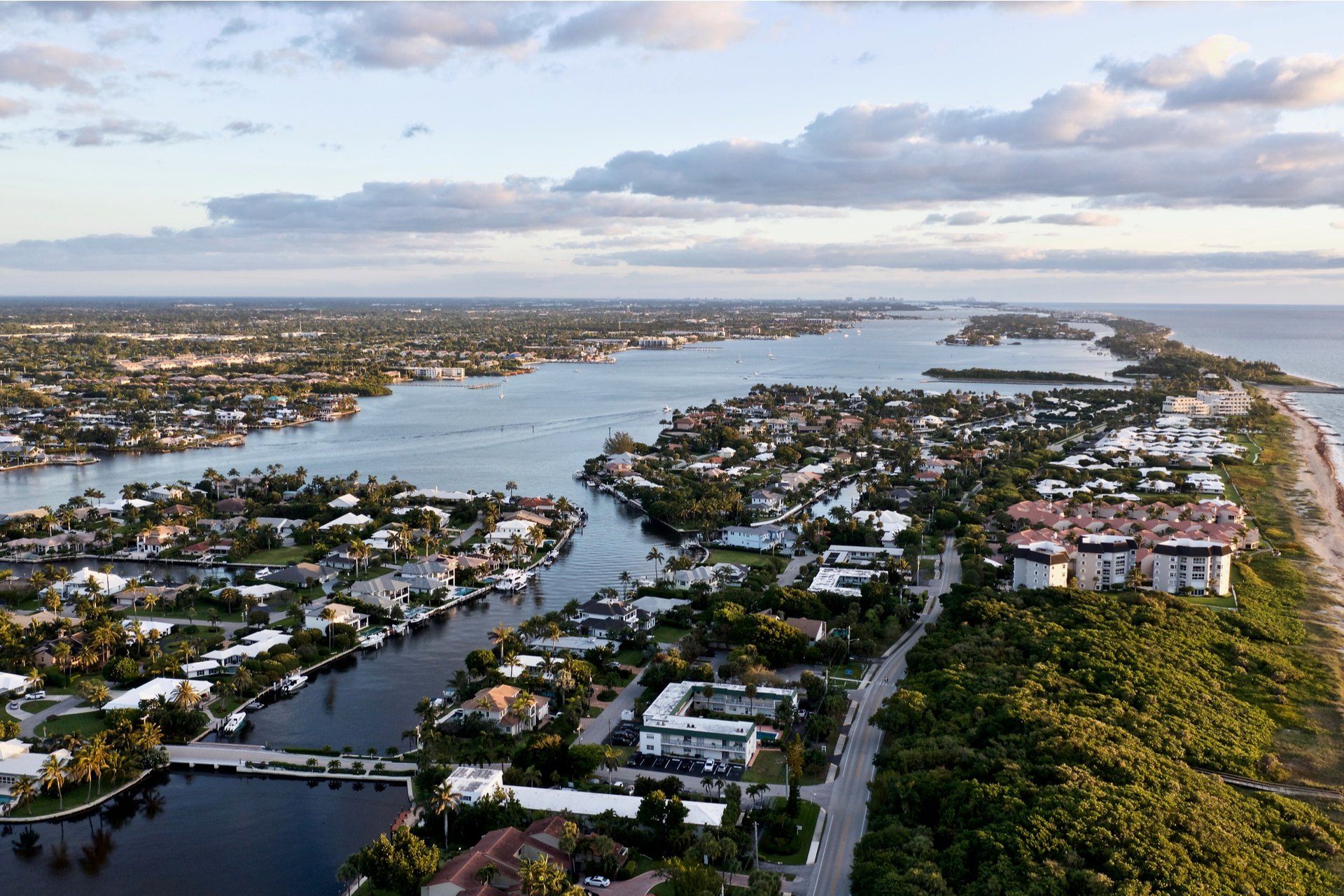
For buyers and sellers here in Boynton Beach, the roof conversation usually starts with age. Insurance carriers in South Florida have gotten strict — many won’t write or renew policies on roofs past a certain age regardless of condition, which means an older roof can stall a sale even when it isn’t leaking.
If you’re selling, know your roof’s documented age and permit history before you list. If you’re buying, ask for both on day one.
What you can read from the ground
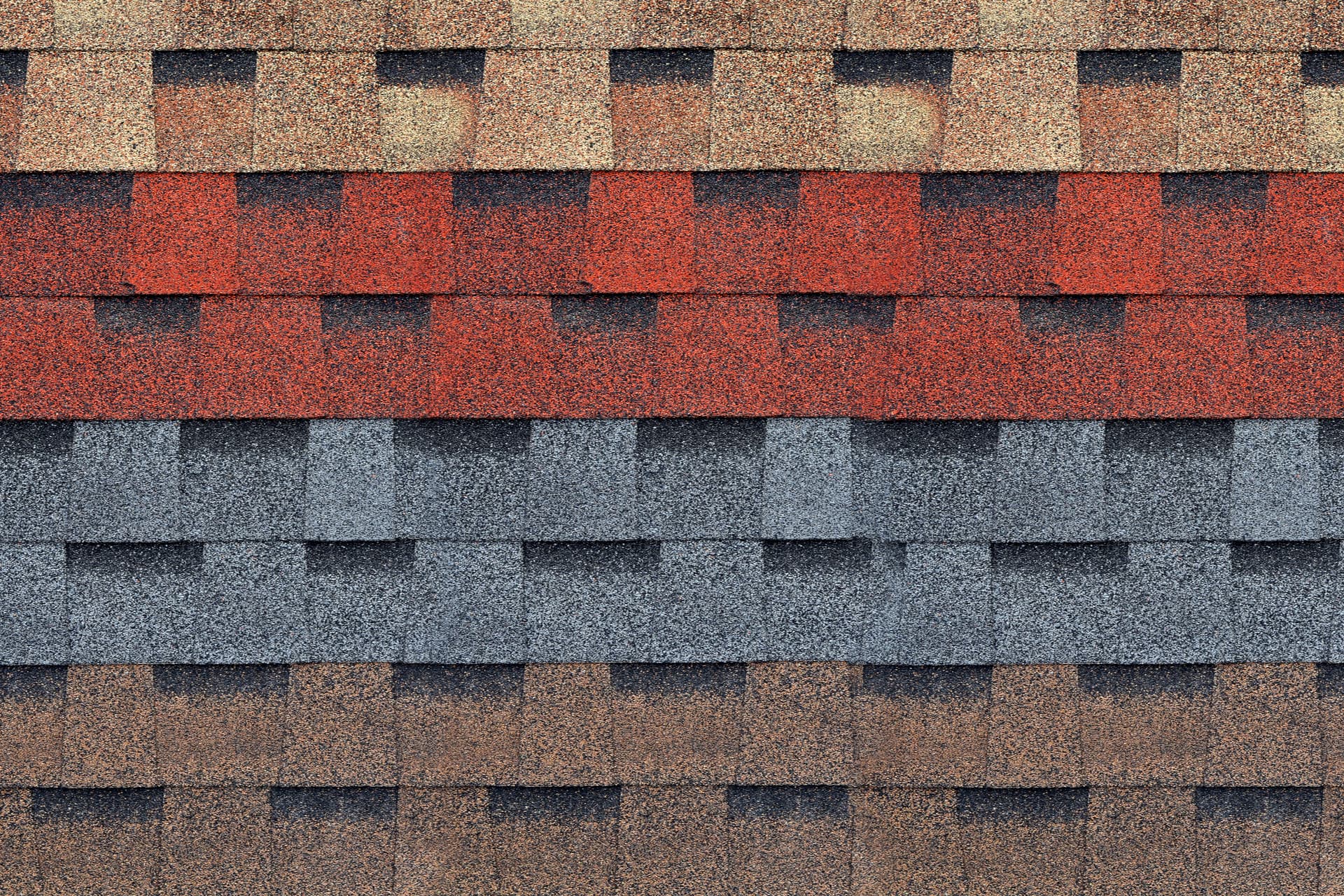
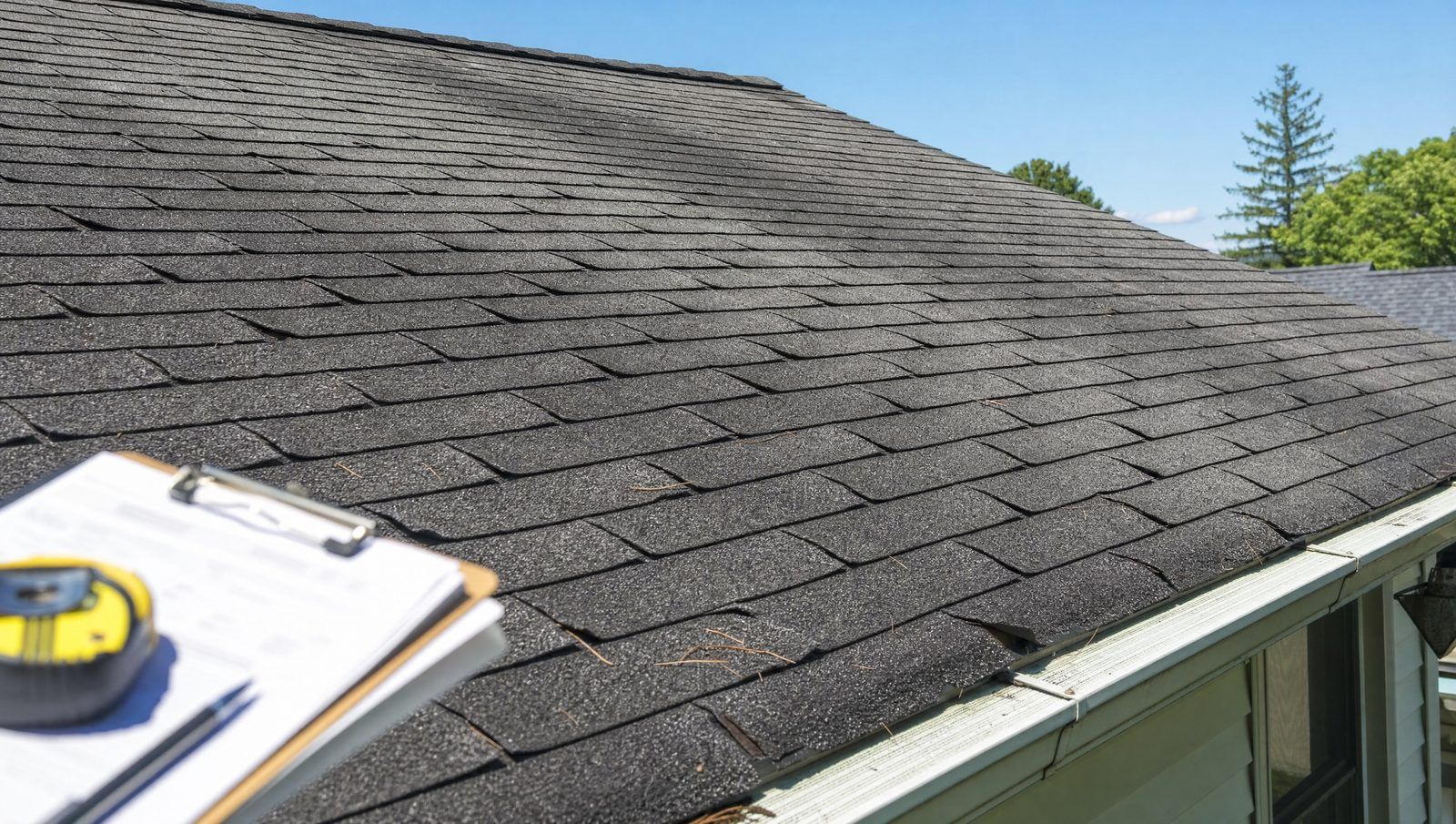
Condition matters as much as age, and the signals are readable without a ladder: shingle edges starting to curl, granules collecting in gutters, dark streaks along slopes, sagging lines, or tile that’s slipped out of plane.
None of these automatically kill a deal — but they set up either a negotiation or a repair plan, and it’s far better to walk in knowing which.
The questions change from market to market
Roofing concerns can vary significantly depending on where you live. South Florida homeowners deal heavily with rain, hurricanes, and water intrusion, while buyers looking at Phoenix homes for sale are more likely to encounter roofing issues related to prolonged heat, intense sun exposure, and the desert climate.
That regional difference is worth taking seriously if you’re shopping in more than one market. In Florida you ask about wind mitigation features, secondary water barriers, and how the roof-to-wall attachments are documented — those line items directly affect insurance premiums. In hot, dry markets the questions shift to UV degradation, thermal cracking on tile, and how well the attic ventilation handles extreme heat.
Same instinct — check the roof first — different follow-ups.
A buyer’s playbook that travels
Wherever the home is: get the roof’s age in writing, have it inspected by someone who does roofs specifically rather than relying on a general inspection, price out the remaining life honestly, and use what you learn.
A roof with five good years left isn’t a dealbreaker; it’s a line item. A roof that’s been quietly leaking into the decking is a very different conversation, and you want to have it before closing, not after the first storm.
Selling with an older roof
Get ahead of it. A recent inspection report and a documented repair history turn the biggest buyer objection into evidence that the home has been looked after.